Bokep Awek Mesum Di Mobil Toket Ceweknya Bagus Malay Exclusive Work -
At the same time, the phrase has been ironically reclaimed in some digital subcultures. Female content creators jokingly refer to themselves as "awek di mobil" while vlogging their daily commutes, taking control of the narrative. The phrase no longer belongs only to the observer; it belongs to the observed, who can now stare back through a phone screen.
Literally translated from the Malay/Indonesian slang ‘awek’ (girl, sweetheart, or female partner) and ‘mobil’ (car), the phrase refers to videos, clips, or real-life scenarios involving young women in private vehicles, often engaging in acts of intimacy that are deemed inappropriate by public standards. While the term gained traction from leaked private content and voyeuristic dashcam footage, it has evolved into a cultural lightning rod.
Much of the content under this tag focuses on the physical appearance of women. The algorithmic push of these videos shows a high market demand for casual, seemingly candid footage of young women. This trend often reduces women to visual objects, overshadowing their agency and individuality for the sake of clicks and engagement. 4. Privacy, Consent, and Digital Safety At the same time, the phrase has been
To understand why "di mobil" (in the car) holds such a specific cultural weight in Indonesia, one must look at the geography of urban life. In hyper-dense metropolises like Jakarta, Surabaya, or Bandung, space is at a premium.
On the other hand, critics argue that this trend is symptomatic of a broader societal problem, where the objectification and sexualization of women have become increasingly prevalent. They contend that the phenomenon perpetuates a culture of "exhibitionism" and " commodification" of women's bodies, reducing them to mere objects of attention and desire. This, in turn, contributes to a culture of harassment, catcalling, and violence against women. The algorithmic push of these videos shows a
"Awek Di Mobil" is a phrase that captures the paradox of modern Indonesian femininity: it is a symbol of freedom and independence, yet it is also a signifier of vulnerability. The car can be a tool for empowerment, but too often, it becomes a cage. By unpacking this keyword, we see that the real issue is not the woman or the vehicle, but a social system that tolerates violence and a culture that often fails to protect its own. The path forward requires a collective effort—from legislative action and corporate accountability to grassroots activism and a shift in cultural attitudes. Only then can the "awek di mobil" experience the journey not as a gauntlet of fear, but as a path to true equality and safe mobility.
In 2023, a clip of a couple in a parked SUV in South Jakarta’s business district went viral. The woman, later identified via her social media, was doxxed, her university found out, and she was threatened with expulsion for "violating campus morality codes." The man? Never identified. This pattern repeats endlessly. these terms are not just descriptive
Crucially, these terms are not just descriptive; they carry significant social baggage. They often frame the women as deviants who violate moral norms rather than as individuals acting out of economic desperation. This linguistic labeling profoundly impacts how society views the issue and influences the stigmatization these women face daily.
In the Indonesian context, the term "awek di mobil" roughly translates to "girl in the car," but its connotation goes far beyond a simple phrase. It refers to a phenomenon where young women are seen getting into cars with men they barely know, often with the implication of a transactional relationship. This seemingly mundane occurrence has sparked heated debates and discussions across Indonesian society, shedding light on deeper social issues and cultural norms.
Recommendations:

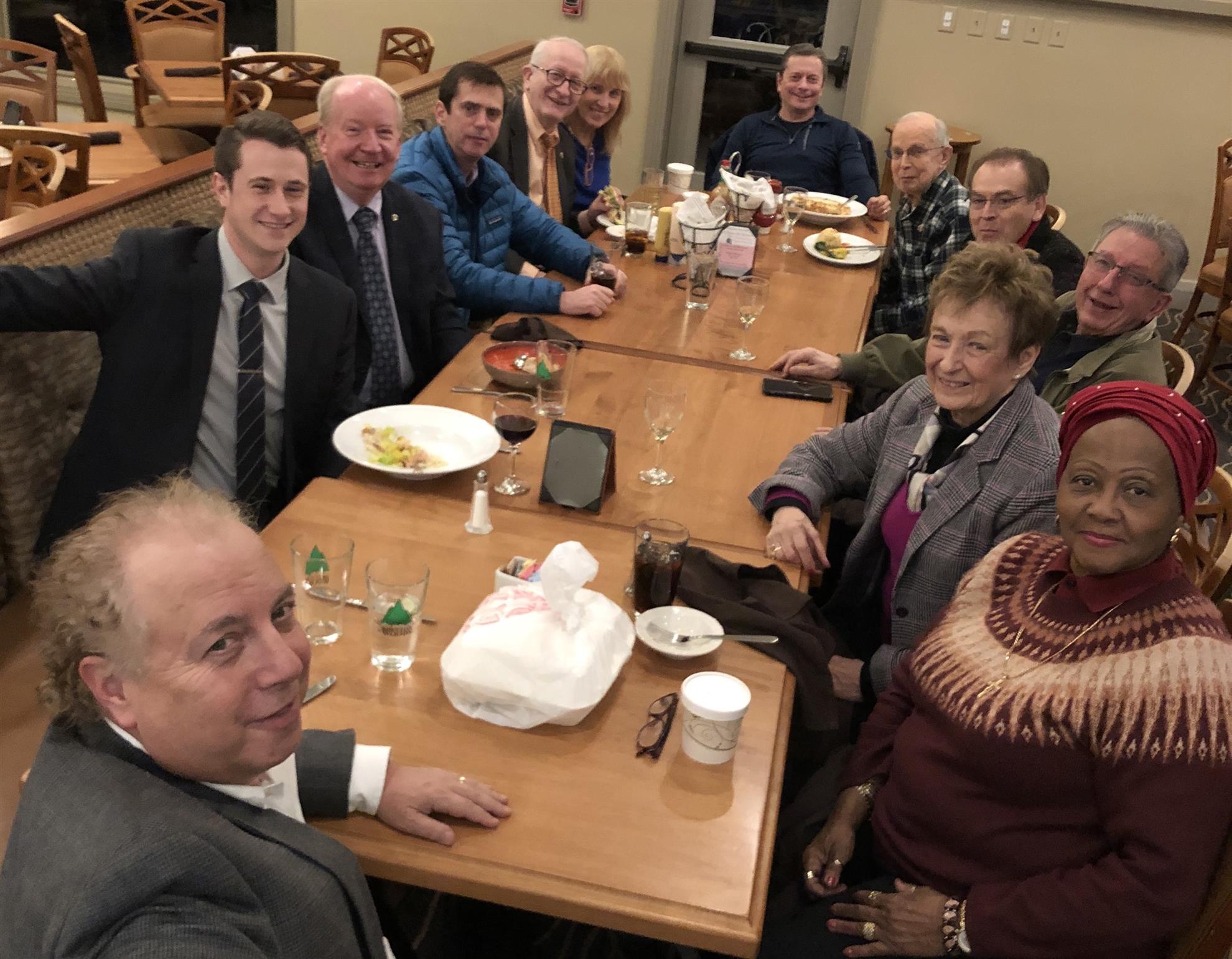
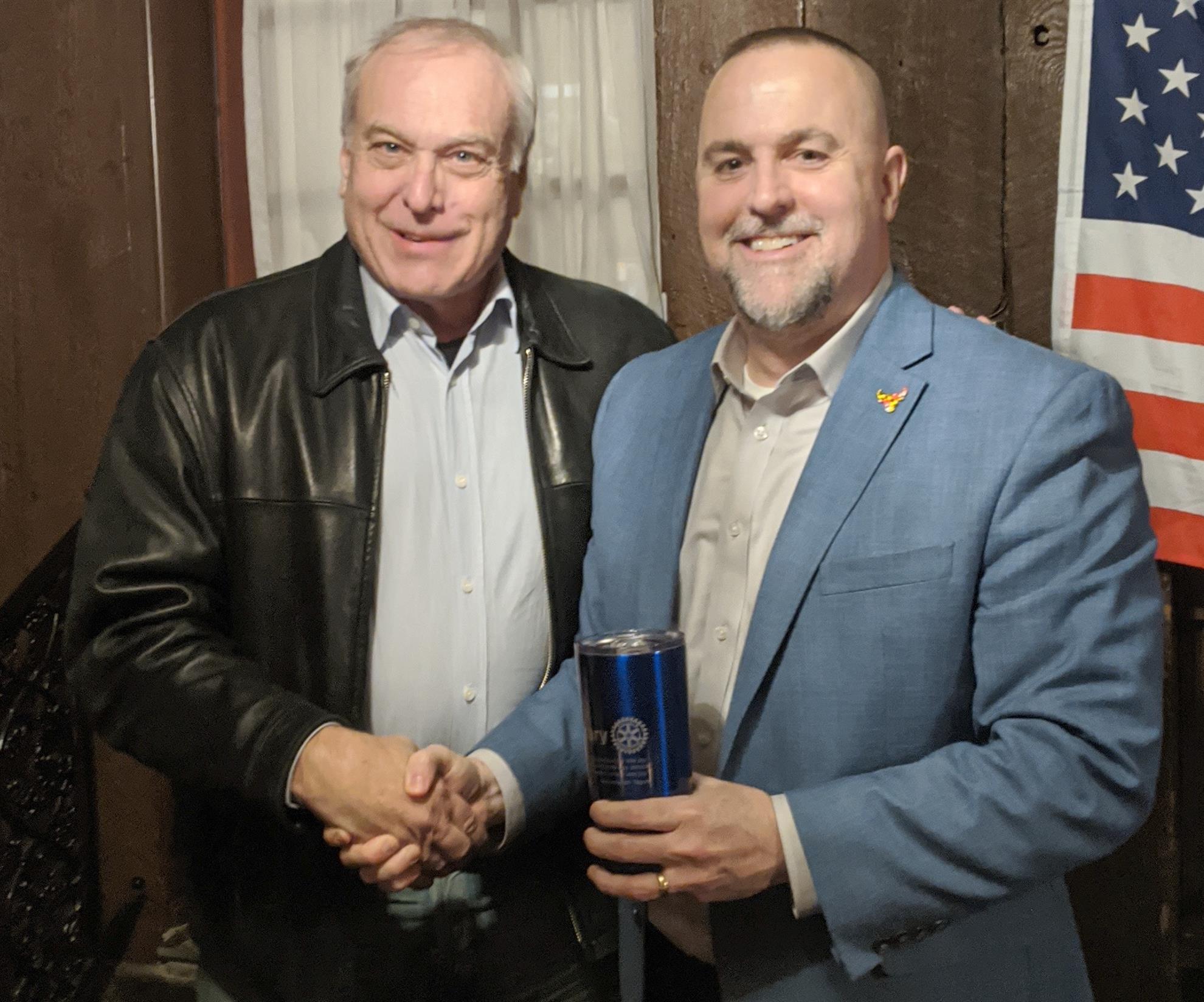
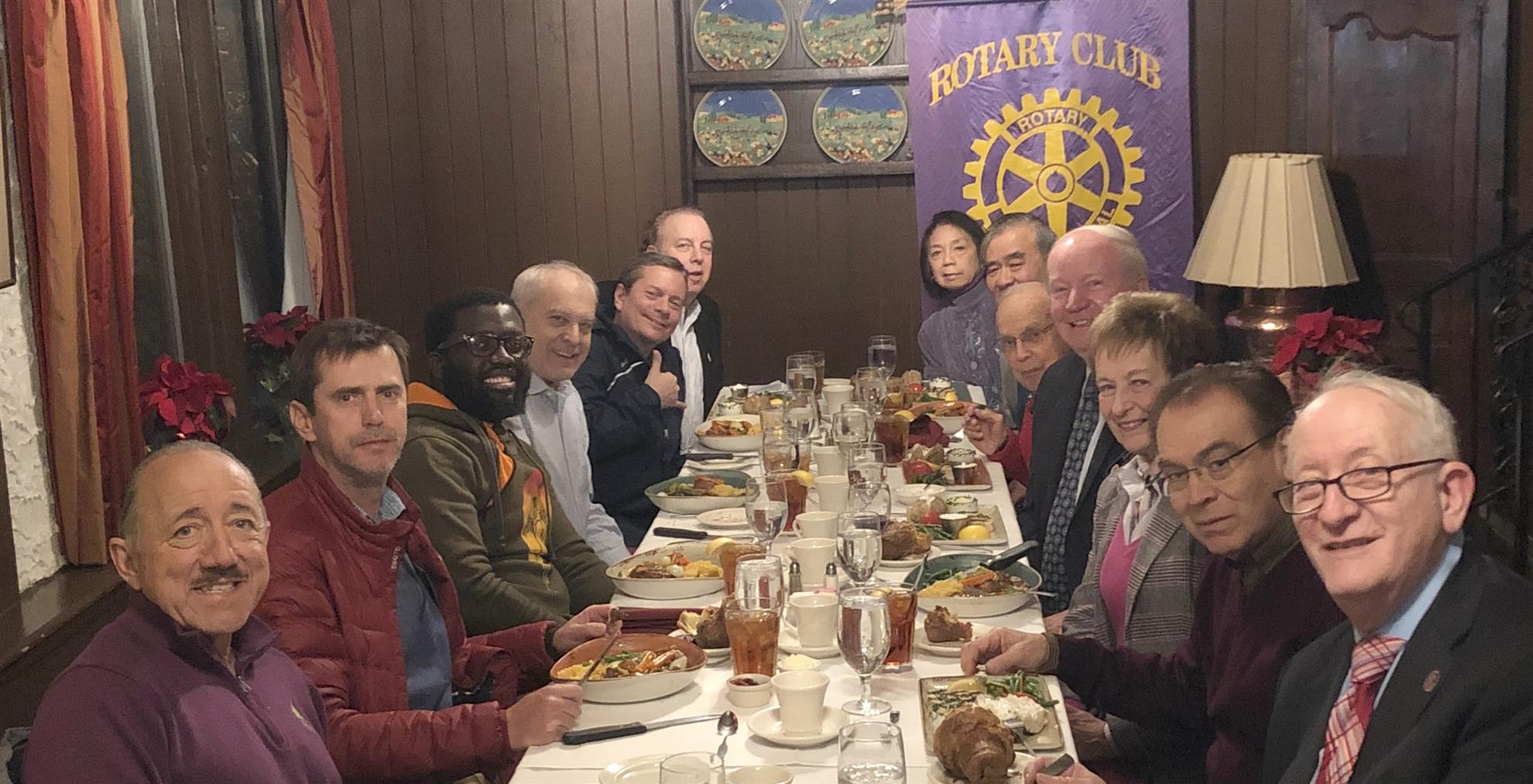



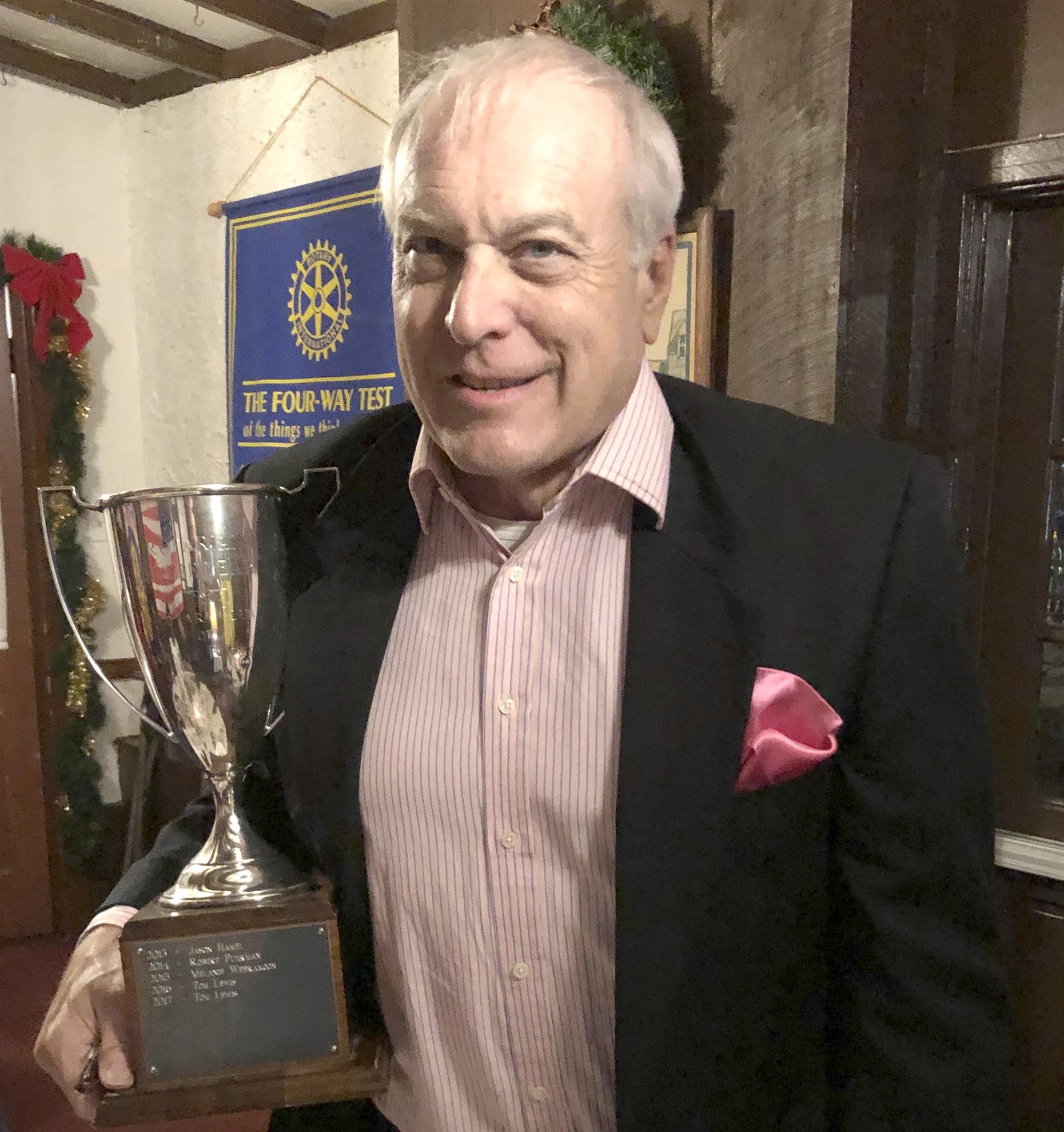



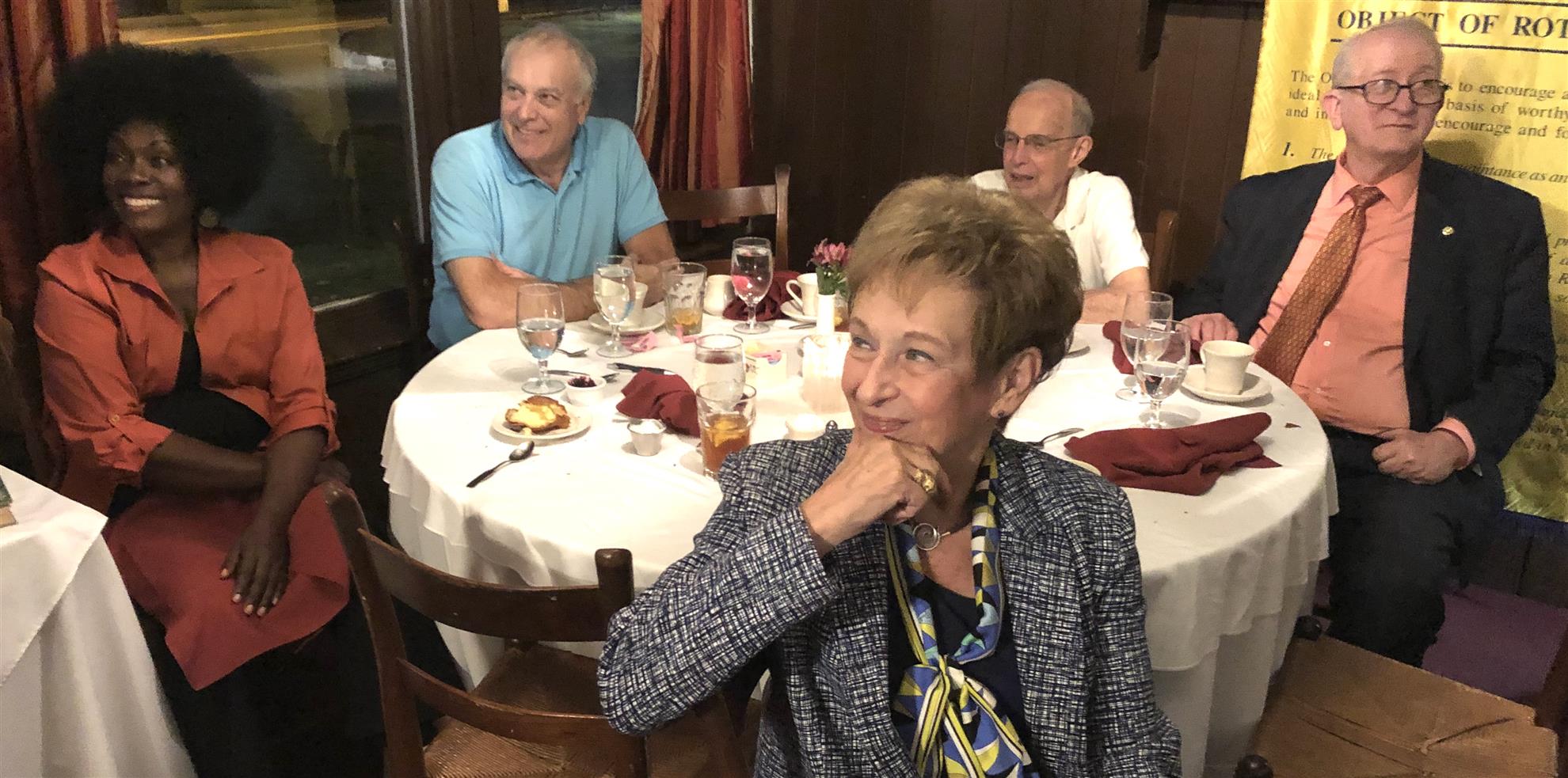

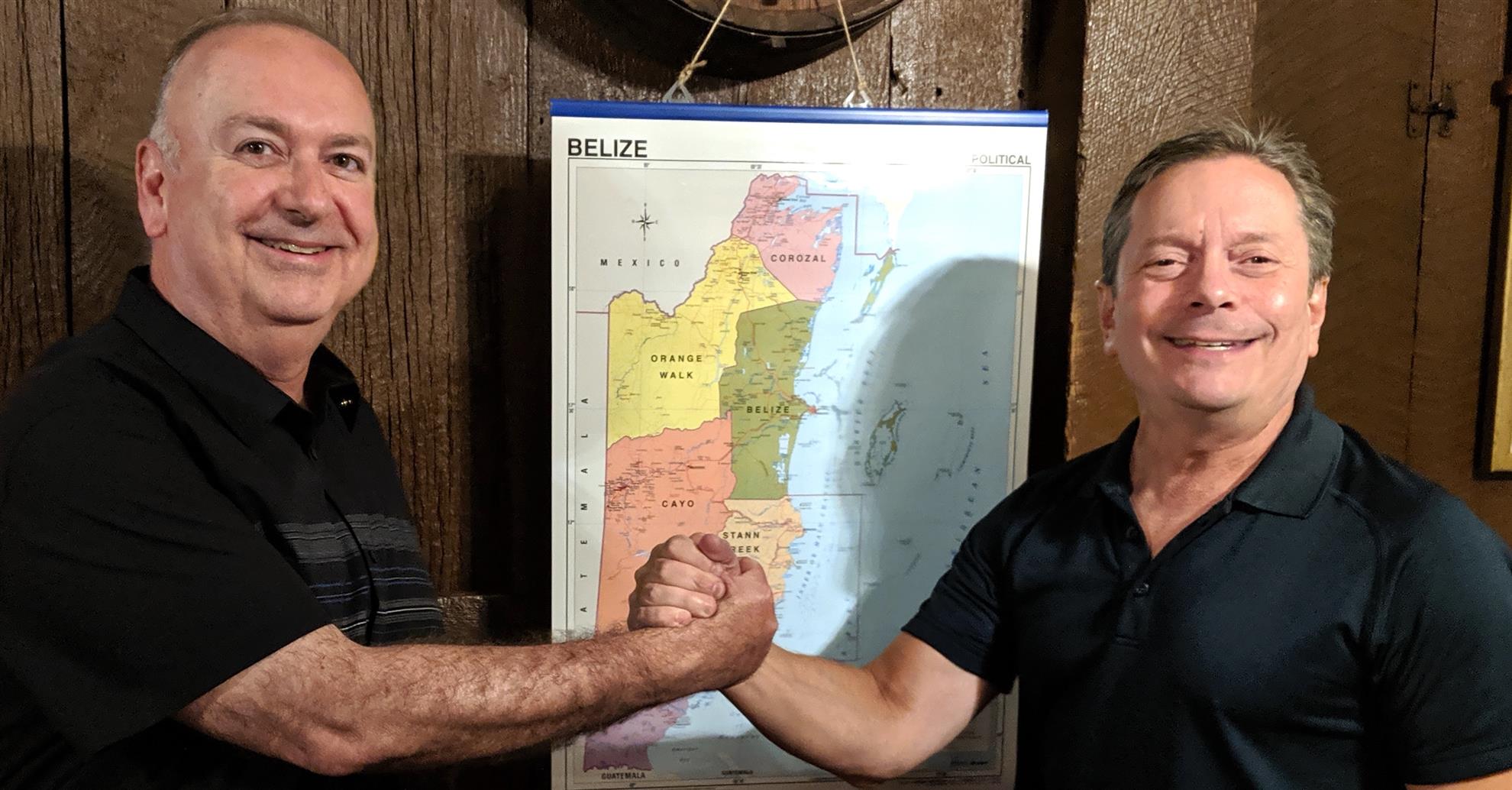


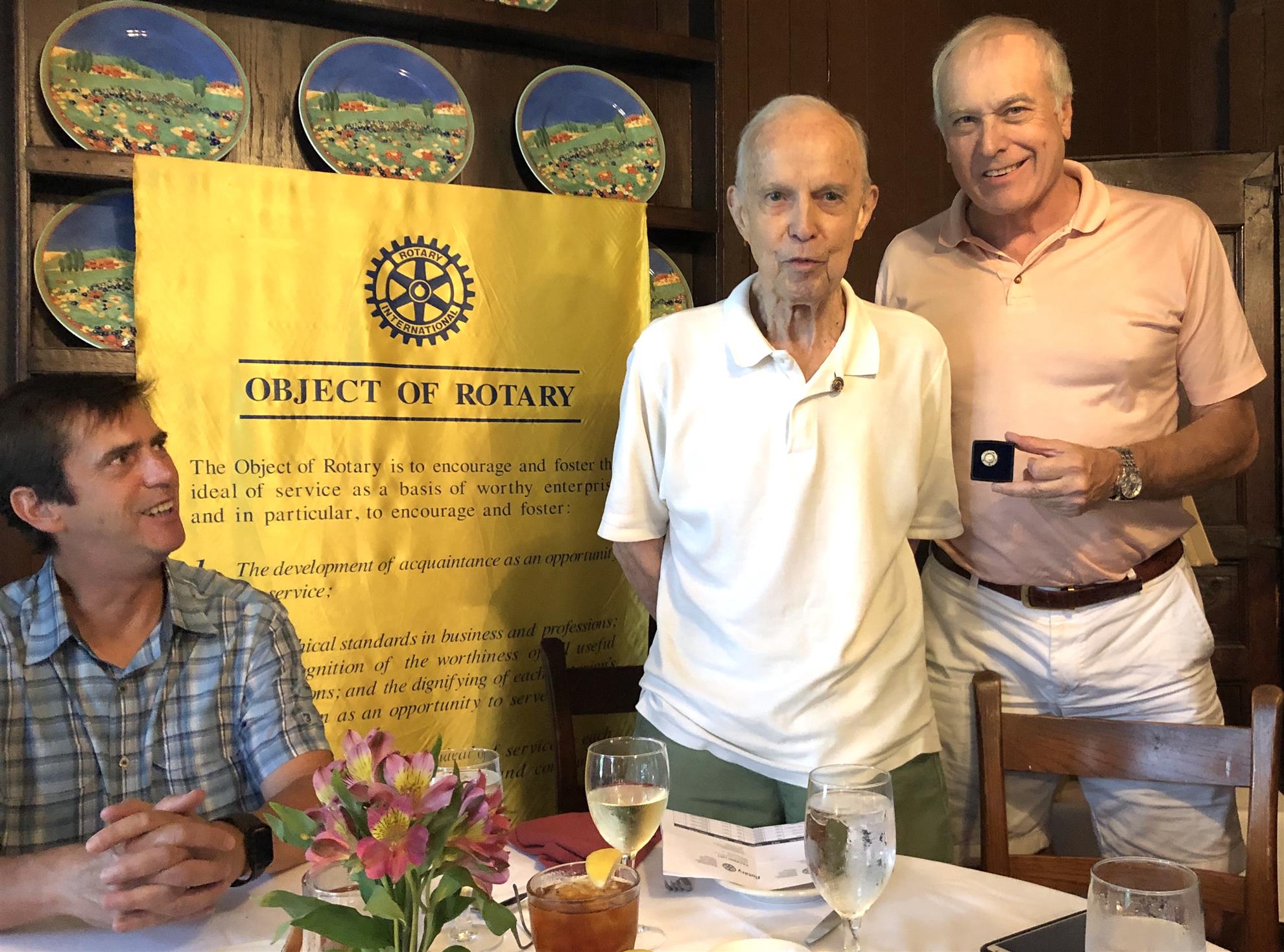
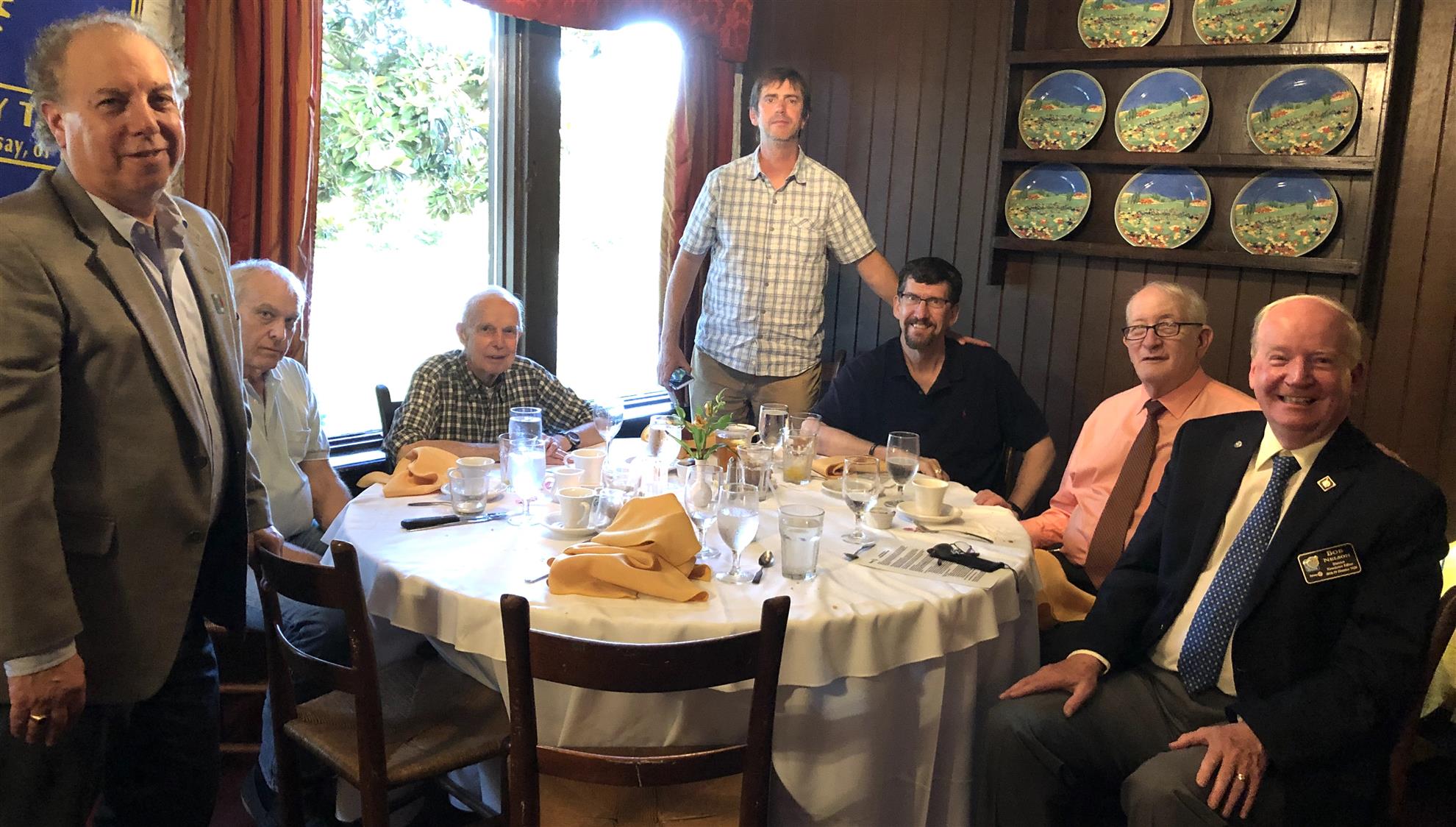

 There are Paul Harris (PH) credits available for members to make up the $1000 donation required. It works this way: If you pay half of the amount you need for a PH fellowship, then the club will use available credits to make up the balance. So for instance say you already have
 PH credits amounting to $ 600. If you donate another $200, then the club will match your amount with some of those credits bringing the total to $ 1000 and bringing you a PH fellowship! And Rotary benefits, too!