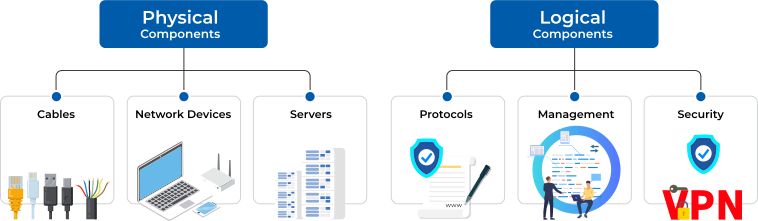
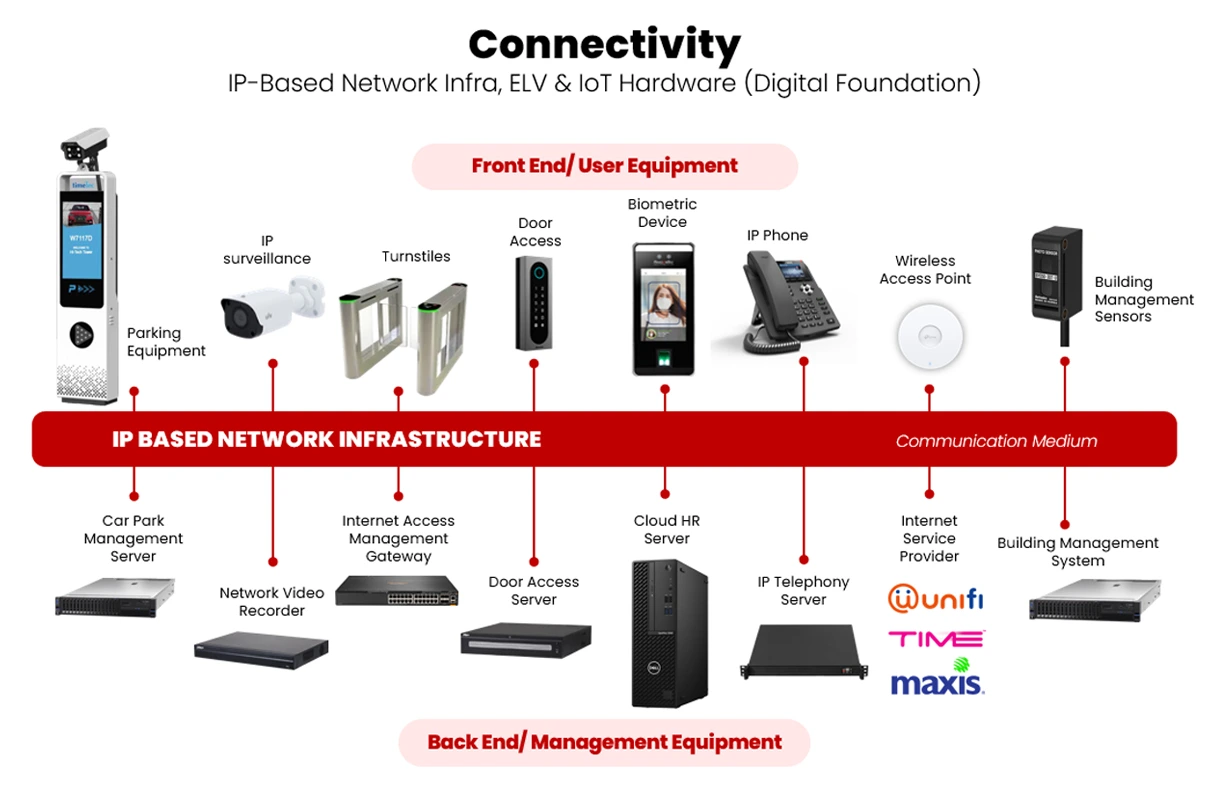
TimeTec offers complete Network Infrastructure solutions alongside our comprehensive PropTech ecosystem, delivering seamless connectivity to support smart building operations. From structured cabling to high-performance network equipment, our infrastructure services are designed to integrate flawlessly with TimeTec’s PropTech solutions—including smart access and elevator control, ELV & IoT automation, smart cashless and touchless parking, visitor management and etc., ensuring a reliable, scalable, and future-ready environment for modern commercial and residential buildings.
Video surveillance footage, photos of the merchandise, and point-of-sale receipt audits.
If the case isn't real, why are there websites or search prompts dedicated to it? The answer lies in malicious or predatory web traffic generation strategies:
Shoplifting is often recorded as a "crime of moral turpitude" (dishonesty), which remains on a permanent criminal record.
The Dresden Case No 3692882 serves as a reminder of the ongoing challenges faced by the e-commerce industry in combating counterfeit products. As the industry continues to evolve, it is essential that stakeholders work together to develop and implement more effective measures to prevent counterfeiting. By doing so, we can ensure a safer and more secure online shopping experience for consumers.
A unique digit string used to catalog the specific event for court or corporate documentation.
The "Dresden" location, which may be a pseudonym or a specific district, adds a layer of noir-esque mystery, giving the investigation the feeling of a classic detective story set against a modern backdrop. Anatomy of the "Shoplyfter Top" Incident
The search phrase does not correspond to an official legal case, historical archive, or verified consumer product. Instead, this specific combination of keywords represents a pattern typically generated by automated search algorithms or adult entertainment databases.
The Dresden Case No 3692882 Shoplyfter Top first gained attention on online marketplaces and fashion forums. The initial listing, shrouded in mystery, presented the top as a rare and enigmatic find. The seller, who remained anonymous, provided limited information about the item, fuelling speculation and curiosity. The top was described as a unique, handmade piece with intricate details, but the lack of concrete information only added to the allure.
In jurisdictions like Germany (referencing the city of Dresden ), the public distribution of real case files, surveillance footage, or shoplifter identities is strictly governed by strict privacy laws, including the European Union’s .
Dresden: Case No 3692882 Shoplyfter Top |top|
Video surveillance footage, photos of the merchandise, and point-of-sale receipt audits.
If the case isn't real, why are there websites or search prompts dedicated to it? The answer lies in malicious or predatory web traffic generation strategies:
Shoplifting is often recorded as a "crime of moral turpitude" (dishonesty), which remains on a permanent criminal record. dresden case no 3692882 shoplyfter top
The Dresden Case No 3692882 serves as a reminder of the ongoing challenges faced by the e-commerce industry in combating counterfeit products. As the industry continues to evolve, it is essential that stakeholders work together to develop and implement more effective measures to prevent counterfeiting. By doing so, we can ensure a safer and more secure online shopping experience for consumers.
A unique digit string used to catalog the specific event for court or corporate documentation. Video surveillance footage, photos of the merchandise, and
The "Dresden" location, which may be a pseudonym or a specific district, adds a layer of noir-esque mystery, giving the investigation the feeling of a classic detective story set against a modern backdrop. Anatomy of the "Shoplyfter Top" Incident
The search phrase does not correspond to an official legal case, historical archive, or verified consumer product. Instead, this specific combination of keywords represents a pattern typically generated by automated search algorithms or adult entertainment databases. The Dresden Case No 3692882 serves as a
The Dresden Case No 3692882 Shoplyfter Top first gained attention on online marketplaces and fashion forums. The initial listing, shrouded in mystery, presented the top as a rare and enigmatic find. The seller, who remained anonymous, provided limited information about the item, fuelling speculation and curiosity. The top was described as a unique, handmade piece with intricate details, but the lack of concrete information only added to the allure.
In jurisdictions like Germany (referencing the city of Dresden ), the public distribution of real case files, surveillance footage, or shoplifter identities is strictly governed by strict privacy laws, including the European Union’s .