Music festivals, such as Girls like Us (Philadelphia) and Trans (festivals in Portland and Brooklyn), center trans performers. In fashion, trans models like Hunter Schafer, Indya Moore, and Valentina Sampaio have graced runways and magazine covers. On YouTube, creators like Kat Blaque and Luxander break down politics and culture for hundreds of thousands of followers.
The visibility of transgender individuals in media has shifted drastically. Pioneers such as Laverne Cox, Janet Mock, and Elliot Page have brought nuanced, authentic transgender narratives to television and film. Shows like Pose and RuPaul’s Drag Race have brought the historical complexities of queer subcultures directly into mainstream living rooms, fostering widespread empathy and education. 5. Ongoing Challenges and the Path Forward
The transgender experience cannot be viewed in isolation. Within LGBTQ culture, the concept of intersectionality—a term coined by legal scholar Kimberlé Crenshaw—is vital to understanding current social dynamics. Intersectionality highlights how different forms of inequality overlap and compound one another. hot young shemale
In the current political climate (2024 and beyond), the transgender community has become the primary target of conservative legislation in the US and UK. Bans on gender-affirming care, bathroom bills, drag ban (which directly target trans expression), and sports exclusions flood state legislatures.
While significant progress has been made, the transgender and LGBTQ communities continue to face substantial challenges. Music festivals, such as Girls like Us (Philadelphia)
Despite increased visibility in media and politics, the transgender community faces unique systemic hurdles that require targeted advocacy.
Because of this shared root, the political infrastructure of LGBTQ culture—the Human Rights Campaign, GLAAD, local community centers, and Pride parades—was built with trans labor, even if trans people were often pushed to the margins afterward. The visibility of transgender individuals in media has
Understanding the Transgender Community and LGBTQ+ Culture: History, Visibility, and Intersectionality
The relationship between the transgender community and LGBTQ+ culture is not a simple Venn diagram. It is a family—sometimes dysfunctional, often beautiful, always evolving. Trans people have given LGBTQ+ culture its radical edge, its dazzling aesthetic, and its moral clarity that no one should be forced into a box. In return, LGBTQ+ culture has provided language, solidarity, and a fight worth having.
However, most mainstream LGBTQ+ organizations (GLAAD, HRC, The Trevor Project) are explicitly pro-trans. Pride parades have increasingly featured trans speakers, floats, and flags. The transgender pride flag—created by Monica Helms in 1999 (light blue for boys, pink for girls, white for non-binary and transitioning)—flies alongside the rainbow flag. Many cities have added the intersex-inclusive Progress Pride flag (with a chevron of brown, black, light blue, pink, and white) to emphasize trans and BIPOC inclusion.
Perhaps no cultural phenomenon has shaped modern pop culture more than the underground Ballroom scene, pioneered by Black and Latino transgender and queer communities in Harlem during the late 20th century. Ballroom provided a safe haven where marginalized individuals competed in "categories" that walked the runway, blending high fashion, performance, and dance.
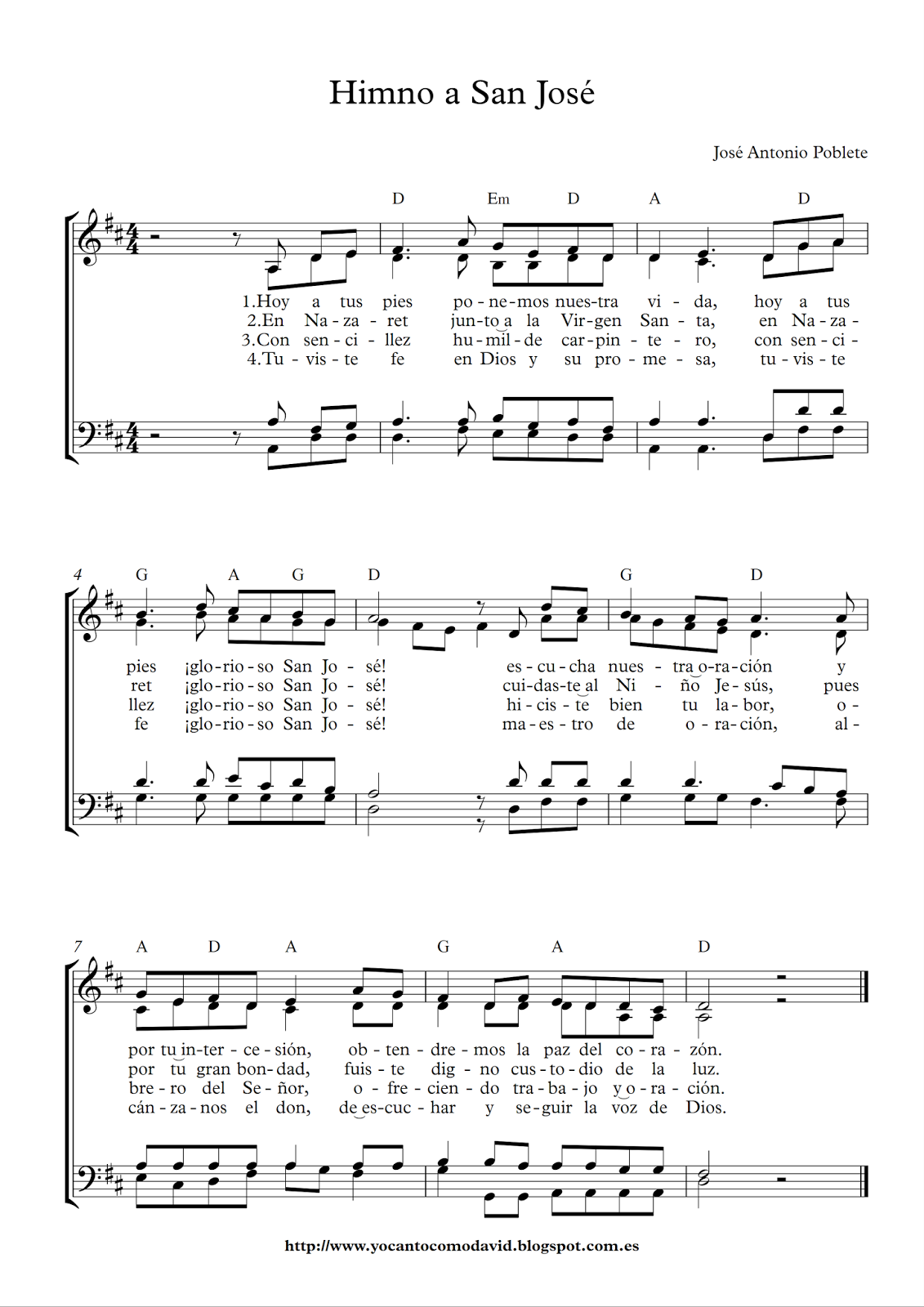
Armonía 4 voces
Soprano
Contralto
Tenor
Bajo