 DataSheet
Award Winning Solutions
Xena has won multiple global awards for price/performance and technical innovation. Learn more.

Technical Expertise
Copyright © 2009-2026 Teledyne LeCroy Xena ApS, Denmark
: Put a SIM card from a different network into the modem.
Note: This method fails if the carrier has disabled AT command unlocking (Telenor and Smart often do). That is when you need the firmware route.
To help find the exact download tools or specific code generators for your device, let me know:
The program will prompt you for a password. Enter the generated in Step 1. Click Next to begin the flashing progress bar. Step 4: Finalize the Flash Huawei E173u-1 Unlock Firmware
Unlocking your Huawei E173u-1 via firmware modification is technically legal in most jurisdictions, but it carries significant risks.
Download the generic, unlocked firmware specifically built for the Huawei E173u-1 (typically version 11.126.85.00.00 or similar generic releases). Extract the downloaded zip file.
Locate the generic Huawei E173u-1 firmware update file (usually an .exe file) and the generic Huawei Mobile Partner dashboard software. : Put a SIM card from a different network into the modem
Firmware flashing tools for Huawei are built exclusively for Windows operating systems (Windows 7, 10, or 11).
Input this IMEI into a Huawei New Algo/Old Algo code calculator.
Generate the using your IMEI and a Huawei calculator. Insert an unsupported SIM card into the E173u-1. Plug the modem into your PC. To help find the exact download tools or
Unlocking the Huawei E173u-1 modem through custom firmware is a practical solution for users who wish to break free from carrier locks, avoid roaming fees, or utilize local SIM cards while traveling. While the process requires technical care and carries inherent risks, it is a well-documented procedure with high success rates when executed correctly.
The removal of network restrictions generally involves two theoretical approaches:
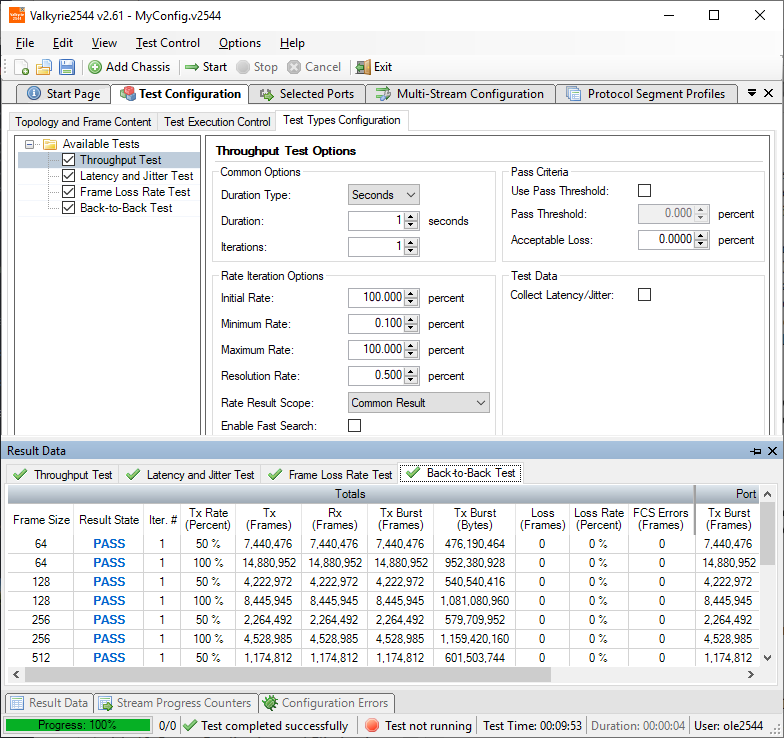
– Throughput
– Latency (FIFO, and LILO) for store-and-forward and cut-through DUTs
– Frame loss
– Back-to-back frames
– Ethernet,VLAN, Q-in-Q, MPLS, IPv4 and IPv6 frame support
– Automatic learning packets
– Custom field setting for any protocol
– Forwarding, including throughput and forwarding rates with a 16ns resolution
– Configurable maximum test rates
– L2 learning
– Repeat count
– Frame sizes same as stream
– Per test, per trial and per frame size learning
– Up to 5 chassis, 72 ports
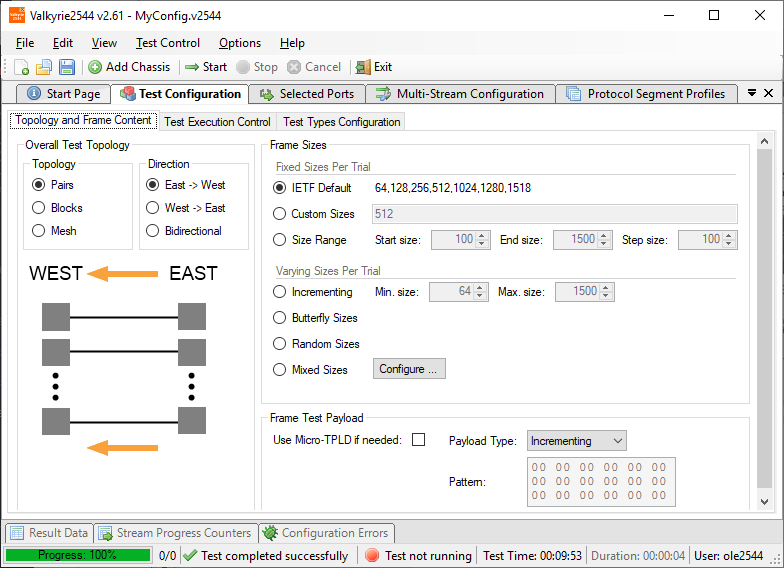
– Full mesh, one-to-one, one-to-many, many-to-many
– Multi-port pair definitions, East/West
– Uni-directional or bi-directional testing
– Testing between any combination of port-speeds
Reports are available in PDF and .xml format.
All Xena testers and all port speeds.
Test configuration files can be executed via CLI. Linux also supported via Mono framework.
Xena has won multiple global awards for price/performance and technical innovation. Learn more.
Copyright © 2009-2026 Teledyne LeCroy Xena ApS, Denmark