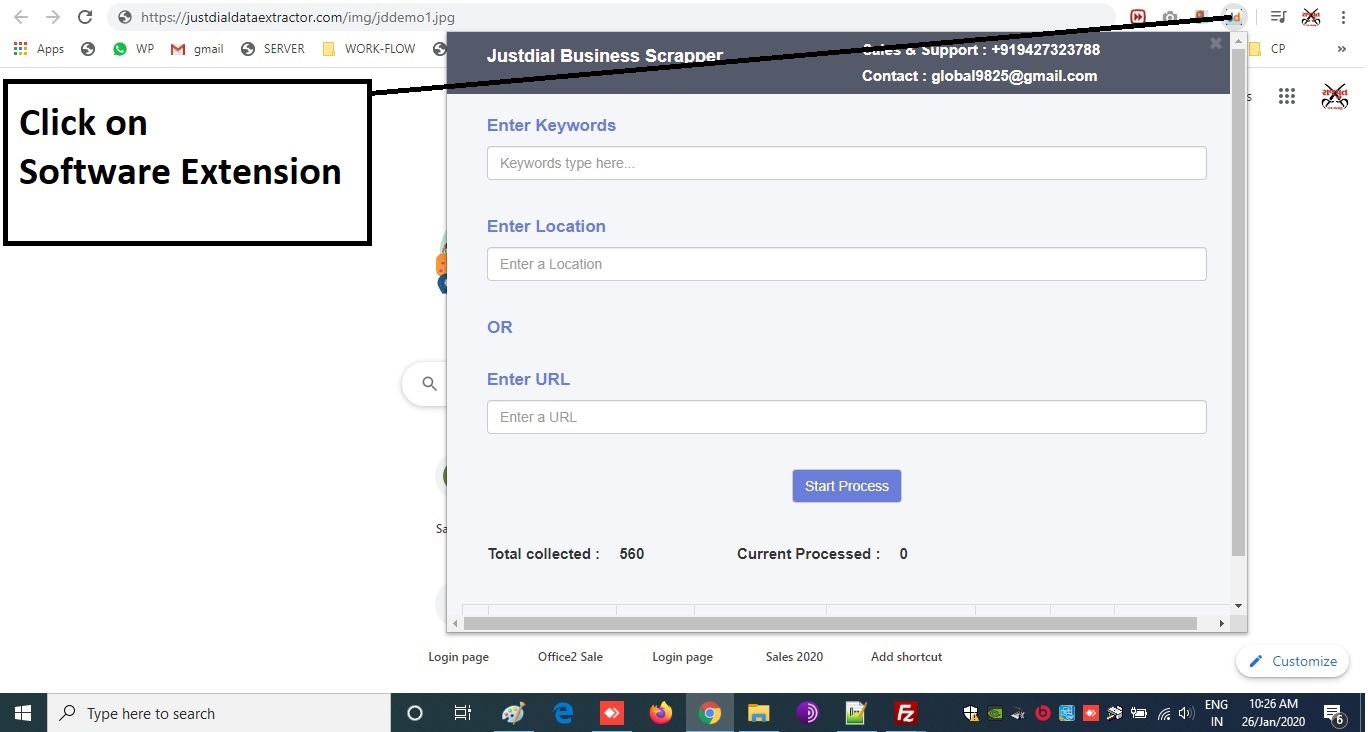
Just Dial Data Extractor (Application Work on Linux | Window | Mac)
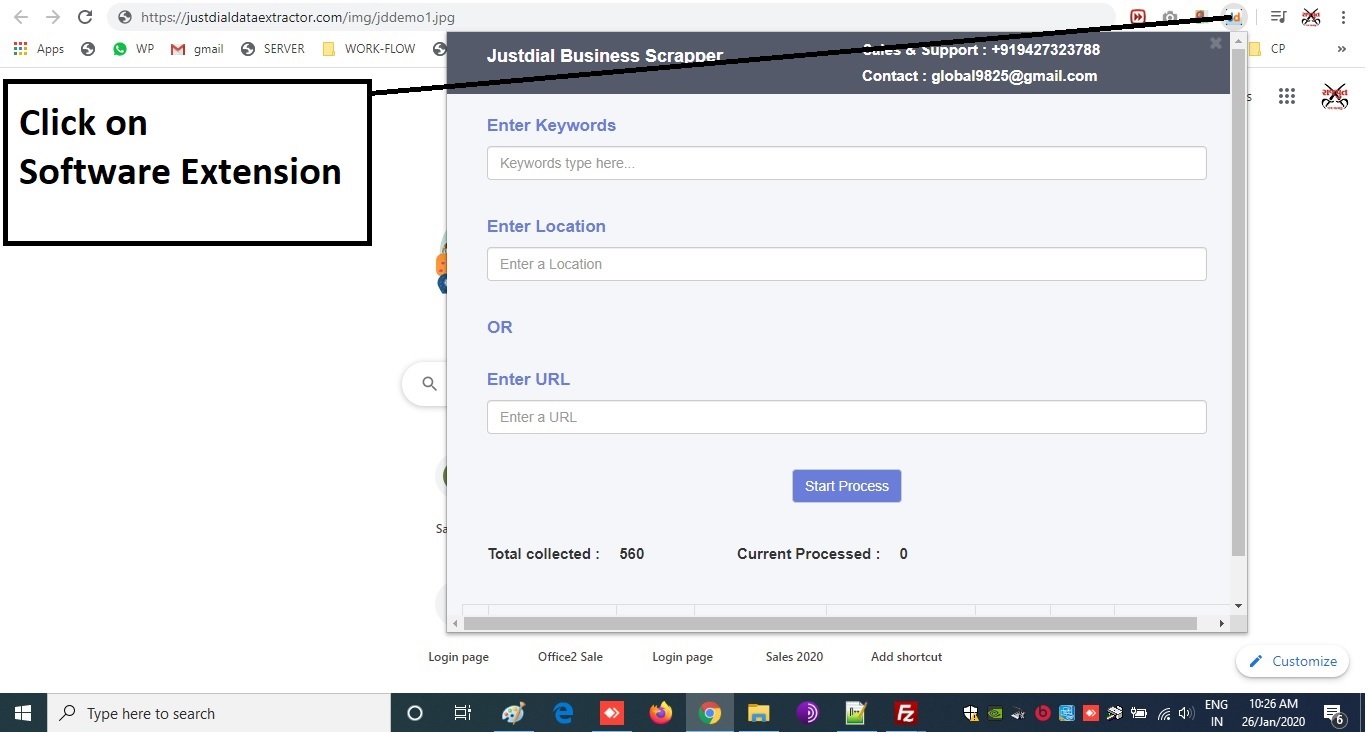
Just Dial Data Extractor
A digital mode interface (like a Signalink) or a built-in USB soundcard in your radio. Why Use This Version in 2024 and Beyond?
Understanding JTDX 2.2.160: The Evolution of High-Performance DXing
In the world of amateur digital modes, has carved out a niche as a powerful fork of the popular WSJT-X software, specifically optimized for weak-signal communication. For operators who were active in 2021, the version designated "22160" became a notable milestone. But what exactly is JT-DX 22160, why do hams still search for it, and where can you safely download the 2021 iteration?
This informative report provides an overview of the JTDX 2.2.160 jtdx 22160 download 2021
https://sourceforge.net/projects/jtdx/
The JTDX 22160 download for 2021 offers a range of improvements and new features that make it an essential tool for amateur radio operators. With its robust decoding algorithms, intuitive interface, and support for various digital modes, JTDX remains a popular choice among hams worldwide. If you're interested in exploring digital modes in amateur radio, JTDX 22160 is definitely worth checking out.
Install JTDX in a separate folder from WSJT-X to prevent configuration file conflicts. A digital mode interface (like a Signalink) or
The automation logic in this version was heavily optimized to prevent "hang-ups" during rapid-fire FT8 contacts, ensuring smoother QSOs.
The version history of JTDX includes important stepping stones like the widely used and subsequent development iterations leading into the v2.2.160 release candidate cycle . Operators frequently search for these targeted updates to enhance their HF digital mode operations. What is JTDX?
Before installing the 2021 build, remember: For operators who were active in 2021, the
Many operators ask, "Why use JTDX over WSJT-X?" The answer lies in several standout features that give JTDX a significant edge, especially for competitive and weak-signal work.
The software is open-source and released under the GPL license, making it freely available for everyone. It runs equally well on systems, ensuring broad compatibility across different operating systems. Over the years, it has been enhanced by developers like Igor Chernikov (RA9UIV) and others, incorporating feedback from the amateur radio community to create a truly feature-rich digital mode application.