In the rapidly evolving landscape of industrial automation and precision engineering, model numbers often become shorthand for reliability and capability. One such designation that has been generating significant buzz in specialized circles is the . Whether you are a procurement manager looking for a robust actuator, an engineer designing a new assembly line, or a technician tasked with maintenance, understanding the nuances of the JUQ250 Full is critical.
Users suggest starting on a lower setting before moving to "full" power. Performance:
To get the most out of a JUQ250, proper integration is key. This involves:
When searching for the "Full" version, users frequently encounter unauthorized 5-minute preview clips or heavily compressed files on third-party aggregation sites. These unauthorized uploads compromise user security, skip crucial narrative acts, and fail to provide the intended high-definition 16:9 cinematic presentation. If you want to look deeper into this release, let me know:
Human Capacity and Psychological Fullness Beyond machines, JUQ250 Full evokes human states—people pushed to full capacity by work, caregiving, or crisis. Psychological fullness can be productive (flow, deep engagement) or destructive (burnout). Organizations that measure output alone risk overloading individuals. A humane system recognizes thresholds, builds redundancy, and values recovery. That way, "full" becomes desirable—peak creativity or contribution—rather than a warning sign. Leadership that treats people as more than inputs will calibrate expectations, provide support, and cultivate environments where fullness is sustainable.
In essence, "Full" means zero compromises. You are getting the maximum stroke length, the highest permissible dynamic load, and the entire software ecosystem that the manufacturer offers.
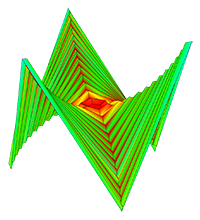
STRAIN VISUALIZATION
Cauchy strain or engineering strain is a unitless measurement of how much a material is being stretched or compressed under load.
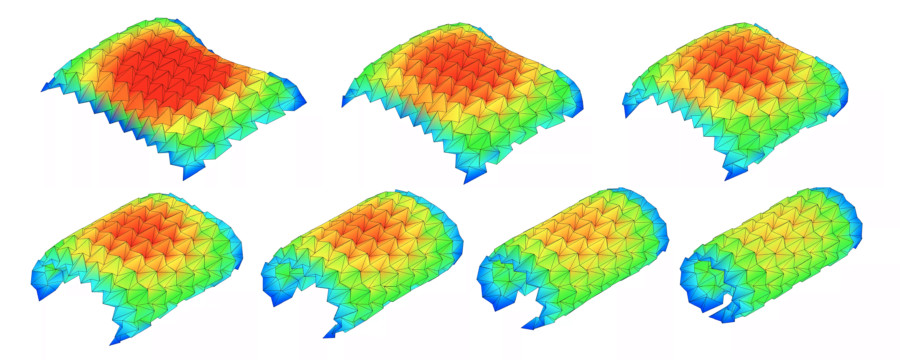
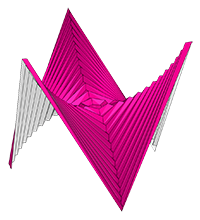
The Strain Visualization illustrates the strain across an origami sheet by mapping it to a color from blue (no strain) to red (max strain).