
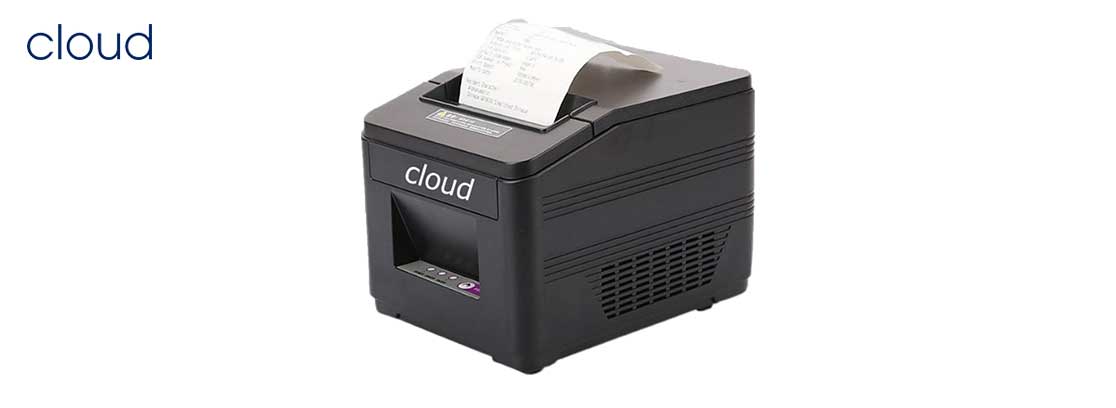
Receipt Printer in Pakistan - Cloud CTP50 Thermal Printer help to improve operations and productivity while on the road, out in the field, or at a customer site.

Cloud CTP50 Thermal Printer

Cloud Printer Driver




















Kannada Attige Tullina Kathegalu are an integral part of Karnataka's rich cultural heritage, offering a window into the state's history, mythology, and social fabric. These traditional tales have been a source of inspiration, entertainment, and guidance for generations, and it is essential to preserve and promote them for the benefit of future generations. By reviving and documenting these stories, we can ensure that the cultural legacy of Karnataka continues to thrive, inspiring and educating people for years to come.
Lakshmi blinked her big, innocent eyes. “Me? Raid? I am only going to count the mango pickles.”
ಈ ಕಥೆಗಳು ಶತಮಾನಗಳಿಂದ ಮೌಖಿಕ ಪರಂಪರೆಯಾಗಿ ಬೆಳೆದುಬಂದಿವೆ. ಪ್ರಸಿದ್ಧ ಜಾನಪದ ವಿದ್ವಾಂಸರಾದ , ಗೊ.ರು. ಚನ್ನಬಸಪ್ಪ ಅವರು ತಮ್ಮ ಸಂಕಲನಗಳಲ್ಲಿ ಇಂತಹ ಹಲವಾರು ಅತ್ತಿಗೆ-ನಾದಿನಿ ಕಥೆಗಳನ್ನು ದಾಖಲಿಸಿದ್ದಾರೆ. ಆಧುನಿಕ ಕನ್ನಡದಲ್ಲಿ, ಈ ಕಥೆಗಳನ್ನು ಆಧರಿಸಿ ಸಣ್ಣಕಥೆಗಳು ಮತ್ತು ಏಕಾಂಕ ನಾಟಕಗಳು ರಚನೆಯಾಗಿವೆ. kannada attige tullina kathegalu
ಮತ್ತೊಂದು ಅಟ್ಟಿಗೆ ತುಳಿನ ಕಥೆ "ಮಹಾದೇವ ಮತ್ತು ರಾಕ್ಷಸ" ಆಗಿದೆ. ಈ ಕಥೆಯಲ್ಲಿ, ಮಹಾದೇವ ಎಂಬ ದೇವರು ರಾಕ್ಷಸನನ್ನು ಕೊಲ್ಲಲು ಹೋರಾಡುತ್ತಾನೆ. ಆದರೆ, ರಾಕ್ಷಸನಿಗೆ ಮಹಾದೇವರ ಶಕ್ತಿಯನ್ನು ಕಡಿಮೆ ಮಾಡುವ ಮಂತ್ರ ಸಿಕ್ಕುತ್ತದೆ. ಈ ಕಥೆ ನಮಗೆ ಶಕ್ತಿ, ಧೈರ್ಯ ಮತ್ತು ಬುದ್ಧಿವಂತಿಕೆಯ ಬಗ್ಗೆ ಕಲಿಸುತ್ತದೆ.
Kannada Attige Tullina Kathegalu, or Kannada riddles, are an integral part of Karnataka's rich cultural heritage. With their unique blend of language, literature, and folklore, these riddles have been entertaining and challenging people for centuries. As we continue to navigate the complexities of modern life, the tradition of Kannada riddles offers a refreshing respite, encouraging us to think creatively, critically, and intellectually. Kannada Attige Tullina Kathegalu are an integral part
While the phrase might seem ambiguous, it is widely recognized as the title of a series of Kannada language books. Titled (or Attigetullina Kathagalu ), these books were created by the scholar Dr. R. Narasimhachar and originally published in 1904 as a series in the Kannada periodical “Kannada Sahitya Parishat”.
"Kannada Attige Tullina Kathegalu" is a collection of traditional Kannada riddles that have been passed down through generations. The term "Attige" refers to a riddle or an enigma, while "Tullina" means to solve or unravel. These riddles are clever phrases or sentences that require thought and contemplation to decipher their meaning. Kannada riddles often use wordplay, puns, and metaphors to create a puzzle that needs to be solved. Lakshmi blinked her big, innocent eyes
"Kannada Attige Tullina Kathegalu" roughly translates to "Kannada Folktales that Fascinate" or "Enthralling Kannada Folk Stories." I'd love to explore this topic further!
(What has a door, but no room?) Answer: A tree (which has a "door" or entrance, but no room).
Copyright 2008-2026 NEDO Corporation All Rights Reserved
