
Mom Son 4 1 12 Mother Son Info Rar Hot !!better!!
Platforms
Modes
Player perspectives
Engines
View more in GC Insider
All website links
All in-game images
All release dates
Game videos
Suggest an edit
Plus much more
The mother-son relationship is one of the most profound and enduring bonds in human experience. This complex and multifaceted dynamic has been a staple of storytelling in both cinema and literature, captivating audiences and inspiring creators for centuries. From the tender and nurturing to the toxic and destructive, the mother-son relationship has been portrayed in a wide range of ways, reflecting the diverse experiences and perspectives of people around the world.
This trope is updated in modern horror films like Ari Aster’s Hereditary (2018). The film explores how grief and ancestral trauma are passed down from a mother to her son. The relationship between Annie (Toni Collette) and her son Peter (Alex Wolff) is fractured by resentment, sleepwalking episodes, and unspoken blame, demonstrating how maternal guilt can manifest as a literal, supernatural nightmare. The Complicated Bonds of Realism
If you want to focus on a particular (e.g., Post-War cinema, Victorian literature).
Conversely, both mediums frequently celebrate the mother-son relationship as the ultimate symbol of resilience, sacrifice, and unconditional support. These narratives position the mother as the emotional anchor allowing the son to survive a hostile world. Literature: The Anchor in Times of Hardship mom son 4 1 12 mother son info rar hot
In this article, we will explore the representation of mother-son relationships in cinema and literature, examining the ways in which this bond has been depicted, the themes and motifs that emerge, and the insights it offers into the human condition.
The modern framework for analyzing the mother-son relationship in art is impossible to separate from the shadow of Sigmund Freud. The Oedipus complex, with its fundamental assertion that a son harbors unconscious desires for his mother and competitive rivalry with his father, has provided a powerful, albeit controversial, interpretive tool. Filmmakers and writers have returned to this myth again and again, not only to dramatize its explicit narrative but also to probe its underlying psychological resonances. A master's thesis by the Hellenic Open University, for instance, examined the nature of Oedipus’s incestuous relationship with his mother across three cinematic eras—from Tyrone Guthrie’s Oedipus Rex (1956) to Pier Paolo Pasolini’s Edipo Re (1967) and Bernardo Bertolucci’s Luna (1979)—tracing the development of the complex from its "unconscious twilight stage to its dramatic climax". Pasolini’s film is particularly telling, as the director, in a deeply personal gesture, cast his own mother in the role of Jocasta, suggesting that for many artists, the Oedipal dynamic is more than an abstract concept; it is a lived reality.
To understand the portrayal of mothers and sons in modern narratives, one must look back to classical literature and psychological theory. The bedrock of this thematic exploration lies in ancient Greek drama, most notably Sophocles’ Oedipus Rex . The tragedy of a son destined to kill his father and marry his mother established a narrative archetype that would echo through the centuries. The mother-son relationship is one of the most
At the furthest edge of artistic exploration lies the taboo itself: incest. While rarely depicted directly, a few daring works have tackled this subject, using it to examine the absolute extreme of maternal love and filial desire. Louis Malle’s controversial 1971 film, Murmur of the Heart (Le Souffle au Cœur) , is the most famous example. The film follows Laurent, a precocious 15-year-old, and his affectionate, Bohemian mother, Clara. After Laurent is diagnosed with a heart murmur, he and his mother spend a recuperative summer together at a resort, where their intimate, almost flirtatious relationship culminates in a consensual sexual encounter. Astonishingly, Malle’s film is not prurient or judgmental; he treats the scene with a disarming lightness and warmth, framing it as a strange, loving, and perhaps inevitable culmination of their intense bond. As Malle said in an interview, it’s a film about incest, "but not really". Instead, it explores a love "too intense and passionate to come off as believable" in most narratives.
: Mid-20th-century cinema frequently portrayed mothers as steadfast figures of emotional support, reinforcing societal expectations of maternal devotion. The Suffocating Matriarch and Oedipal Tensions
If you are developing your own narrative or analyzing a specific piece of media, let me know. I can help you expand this by focusing on a specific (like horror or drama), a particular historical era , or provide a deep-dive character study of a specific literary or cinematic duo. This trope is updated in modern horror films
In films like Psycho (1960) and The Exterminating Angel (1962), the Oedipal complex is a central theme, with both works featuring complex and troubled mother-son relationships that are marked by desire, control, and violence. In Psycho , Norman Bates's (Anthony Perkins) relationship with his mother is a classic example of the Oedipal complex, while The Exterminating Angel features a surreal and dreamlike portrayal of a family's dark past, including a complex web of Oedipal desires and rivalries.
In more mainstream Western cinema, films like Room (2015) showcase the nurturing mother as a shield against the horrors of the world. Ma (Brie Larson) creates an entire universe of imagination within a shed to protect her son, Jack, from realizing they are captives. Here, the maternal bond is entirely salvific; the mother's love preserves the son's innocence, and the son's presence gives the mother the strength to survive. Comparative Evolution: From Text to Screen
View more in GC Insider
All website links
All in-game images
All release dates
Game videos
Suggest an edit
Plus much more
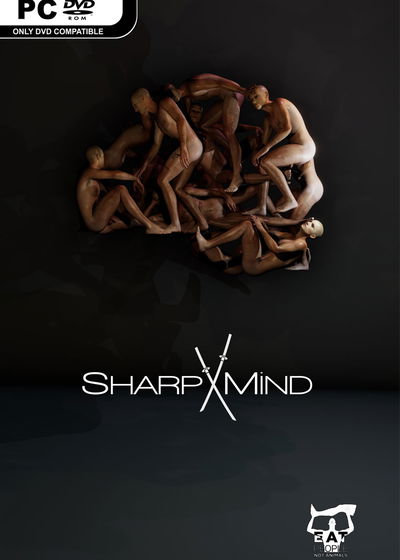



A cutting journey into the madness of Mr Fish. Prepare yourself for intense katana fighting in first person and help Mr. Fish free himself from the evil spirit in his mind.
View more in GC Insider
All website links
All in-game images
All release dates
Game videos
Suggest an edit
Plus much more
No makers for this title yet