Perhaps the single most significant addition to AutoCAD 2010 was . For decades, AutoCAD was purely "explicit"—if you drew a line, it stayed where you put it. If you needed to change a wall length, you stretched it manually.
Do you need help with or converting DWG formats? Share public link
This was native SolidWorks-style behavior inside vanilla AutoCAD. For 2D mechanical design, this was a revolution. Autocad 2010
: Smooth meshes feature specialized face, edge, and vertex grips. Designers can push, pull, and rotate specific sub-entities to sculpt complex forms directly inside the viewports.
Before the 2010 edition, geometric lines in AutoCAD were completely independent entities. If you changed the diameter of a circle, the lines connected to it remained static, forcing you to manually trim, extend, or move neighboring objects. AutoCAD 2010 completely eliminated this tedious workflow by introducing parametric constraints. Geometric Constraints Perhaps the single most significant addition to AutoCAD
Because AutoCAD 2010 was engineered during the transition era between 32-bit and 64-bit computing, its system requirements reflect the hardware standards of the late 2000s.
AutoCAD 2010: A Definitive Look at Autodesk’s Milestone Release Do you need help with or converting DWG formats
Do you still run AutoCAD 2010 in your office? Share your experience in the comments below.
Searching for classic, high-quality blog posts about AutoCAD 2010 leads to several standout resources from the era of its release. These posts provide deep dives into the software's most influential updates, particularly in 3D modeling and productivity www.caddmanager.com Top Blog Post Recommendations AutoCAD 2010 – Putting Things Back to "Normal" (cad nauseam):
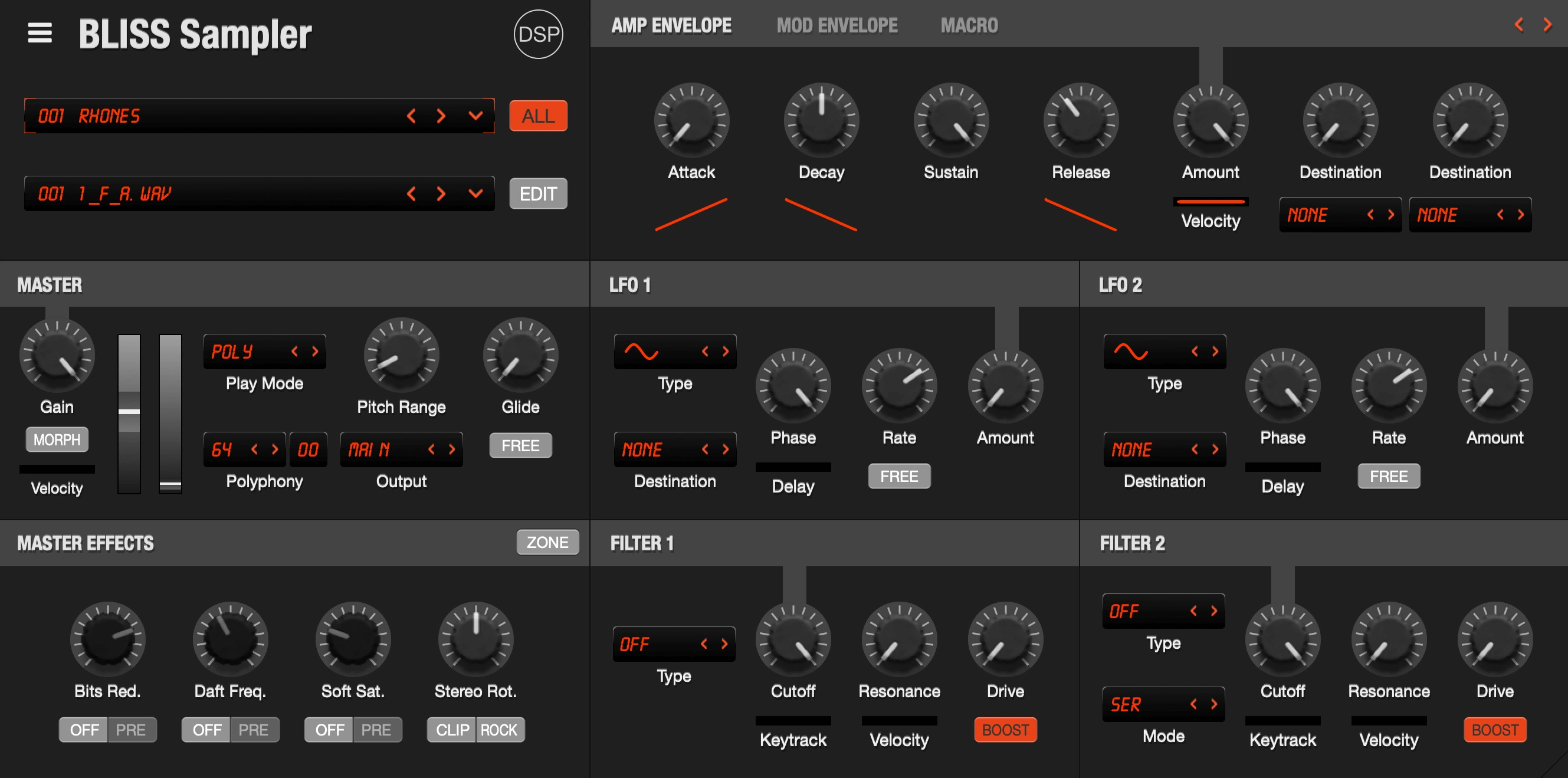
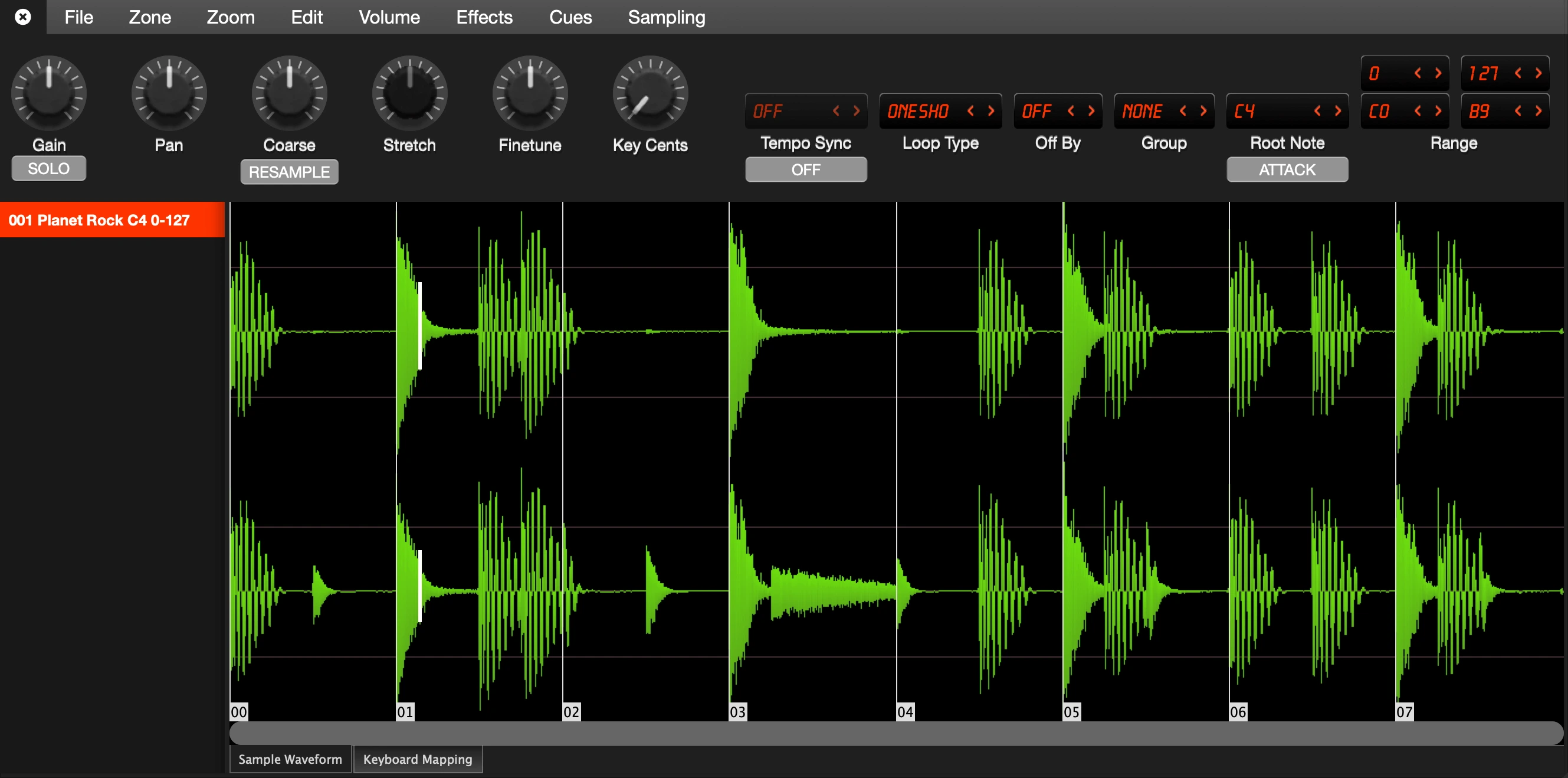
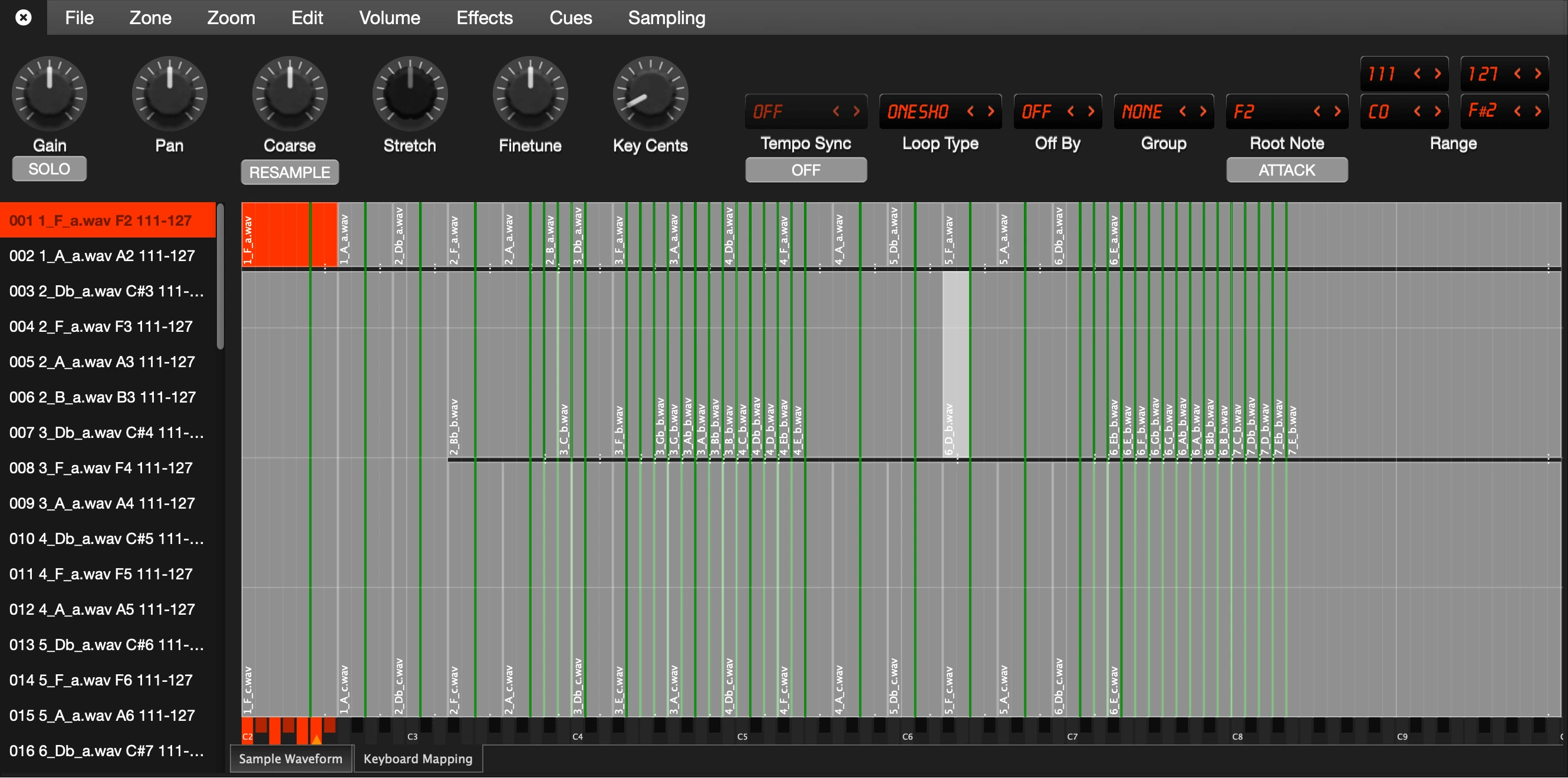
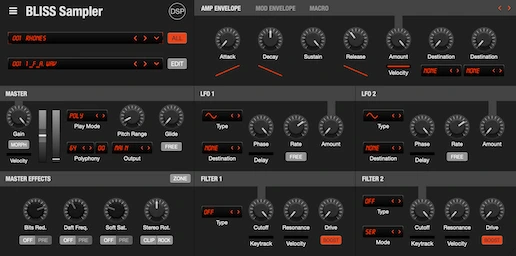
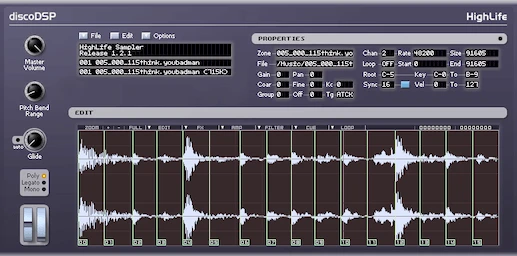
Experience discoDSP Bliss, the ultimate sampler. Record VST and AU instruments as SFZ files without quality loss. Customize your sound with a scalable GUI, wave editor, 7 effects, and versatile modulation. Enjoy up to 64 voices, 4X oversampling, and full MIDI control. Bliss offers exceptional playback and creative possibilities for any production. Elevate your music with the powerful and intuitive Bliss sampler.



Perhaps the single most significant addition to AutoCAD 2010 was . For decades, AutoCAD was purely "explicit"—if you drew a line, it stayed where you put it. If you needed to change a wall length, you stretched it manually.
Do you need help with or converting DWG formats? Share public link
This was native SolidWorks-style behavior inside vanilla AutoCAD. For 2D mechanical design, this was a revolution.
: Smooth meshes feature specialized face, edge, and vertex grips. Designers can push, pull, and rotate specific sub-entities to sculpt complex forms directly inside the viewports.
Before the 2010 edition, geometric lines in AutoCAD were completely independent entities. If you changed the diameter of a circle, the lines connected to it remained static, forcing you to manually trim, extend, or move neighboring objects. AutoCAD 2010 completely eliminated this tedious workflow by introducing parametric constraints. Geometric Constraints
Because AutoCAD 2010 was engineered during the transition era between 32-bit and 64-bit computing, its system requirements reflect the hardware standards of the late 2000s.
AutoCAD 2010: A Definitive Look at Autodesk’s Milestone Release
Do you still run AutoCAD 2010 in your office? Share your experience in the comments below.
Searching for classic, high-quality blog posts about AutoCAD 2010 leads to several standout resources from the era of its release. These posts provide deep dives into the software's most influential updates, particularly in 3D modeling and productivity www.caddmanager.com Top Blog Post Recommendations AutoCAD 2010 – Putting Things Back to "Normal" (cad nauseam):